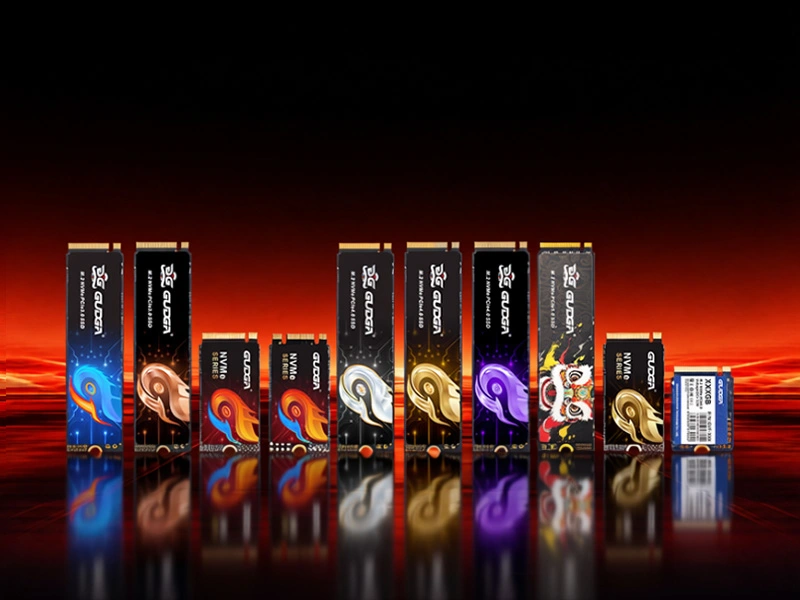
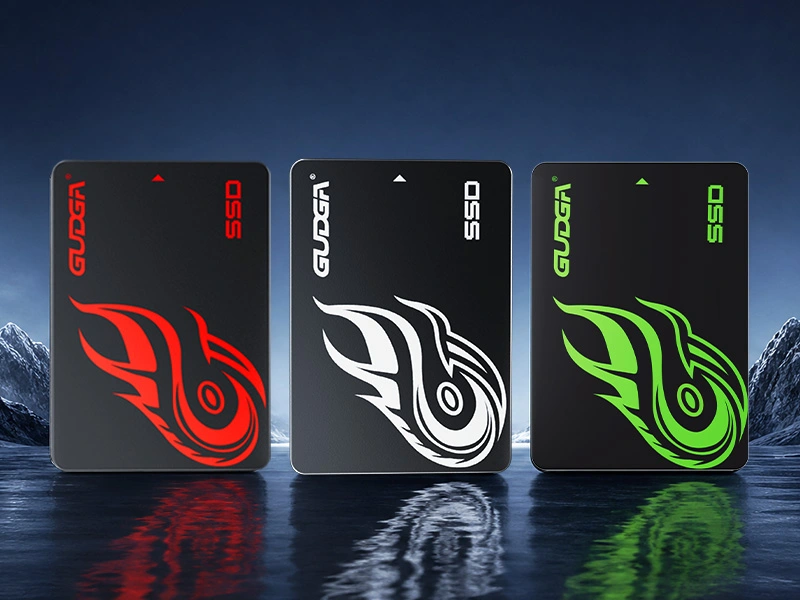
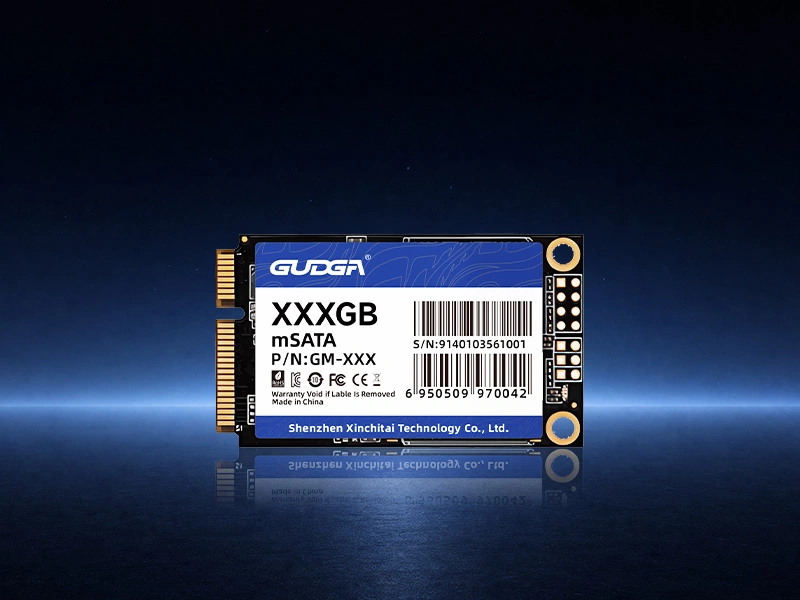
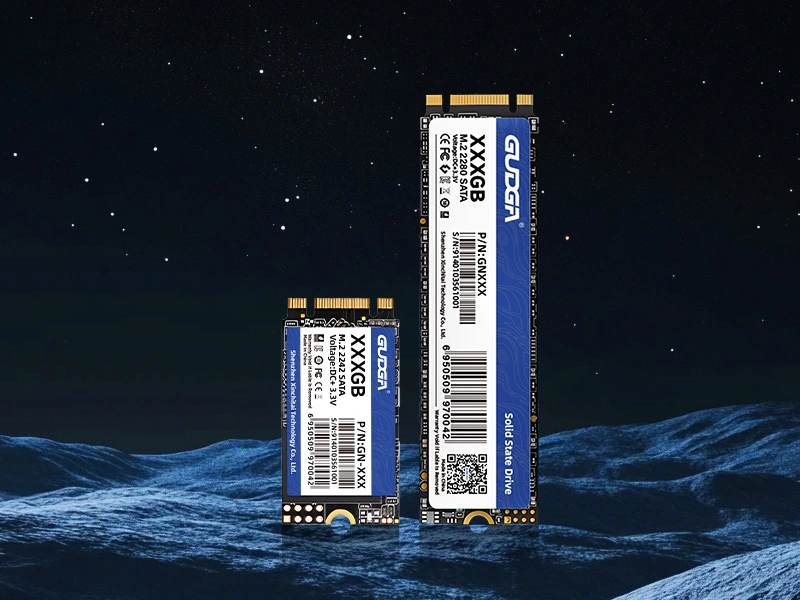
నేటి వేగంగా అభివృద్ధి చెందుతున్న డిజిటల్ స్టోరేజ్ ల్యాండ్స్కేప్లో, NVMe SSDలు (నాన్-వోలటైల్ మెమరీ ఎక్స్ప్రెస్ SSDలు) చాలా కాలం నుండి సాంప్రదాయ స్థానంలో ఉన్నాయిSATA SSDలు, PCలు, సర్వర్లు, పారిశ్రామిక పరికరాలు మరియు ఇతర దృశ్యాలకు ప్రధాన నిల్వ ఎంపికగా మారింది. అయితే, మార్కెట్లో అనేక రకాలైన M.2 NVMe SSD ఉత్పత్తులను ఎదుర్కొంటున్నప్పుడు, మీకు ఈ ప్రశ్నలు ఉండవచ్చు: M.2 NVMe SSD అంటే ఏమిటి? దీనికి మరియు సాంప్రదాయ నిల్వ పరికరాల మధ్య ప్రధాన తేడాలు ఏమిటి? మీ అవసరాలకు సరైన NVMe SSDని ఎలా ఎంచుకోవాలి? వివిధ రకాల NVMe SSDలు ఏ దృశ్యాలకు అనుకూలంగా ఉంటాయి?
ముందుగా, ప్రధాన నిర్వచనాన్ని స్పష్టం చేద్దాం: NVMe (నాన్-వోలటైల్ మెమరీ ఎక్స్ప్రెస్) అనేది NAND ఫ్లాష్ మెమరీ కోసం ప్రత్యేకంగా రూపొందించబడిన హై-స్పీడ్ స్టోరేజ్ ప్రోటోకాల్. ఇది డేటా ట్రాన్స్మిషన్ కోసం PCIe ఇంటర్ఫేస్పై ఆధారపడుతుంది. సాంప్రదాయ SATA ప్రోటోకాల్తో పోలిస్తే, ఇది ఫ్లాష్ మెమరీ యొక్క పనితీరు ప్రయోజనాలను పెంచుతుంది, తక్కువ జాప్యం, అధిక బ్యాండ్విడ్త్ మరియు అధిక స్కేలబిలిటీని కలిగి ఉంటుంది. NVMe SSDలు దాదాపు తక్షణ లోడింగ్ మరియు సమర్థవంతమైన డేటా బదిలీని సాధించడానికి ఇది ప్రధాన కారణం. M.2 NVMe SSDలు ఒకే పరిమాణంలో వర్గీకరించబడలేదు. సమగ్రమైన మరియు వివరణాత్మక వర్గీకరణ కోసం మేము నాలుగు ప్రధాన కొలతలు-ఇంటర్ఫేస్ ఫారమ్ ఫ్యాక్టర్, ప్రోటోకాల్ వెర్షన్, ఫ్లాష్ మెమరీ చిప్స్ మరియు అప్లికేషన్ దృశ్యాలను మిళితం చేస్తాము. మేము మా కంపెనీ ఉత్పత్తుల యొక్క ప్రధాన పోటీతత్వాన్ని కూడా కలుపుతాము, ప్రతి ఒక్కరూ వర్గీకరణ తర్కాన్ని అర్థం చేసుకోవడానికి మరియు అధిక-నాణ్యత ఉత్పత్తులను ఎలా ఎంచుకోవాలో స్పష్టంగా తెలుసుకునేలా అనుమతిస్తుంది.
I. ఇంటర్ఫేస్ రకం ద్వారా వర్గీకరణ: వివిధ పరికరాలకు అనుగుణంగా, పోర్టబిలిటీ మరియు పనితీరును సమతుల్యం చేయడం
NVMe SSDలను వర్గీకరించడానికి ఇంటర్ఫేస్ రకం అత్యంత స్పష్టమైన మార్గం. విభిన్న ఇంటర్ఫేస్లతో ఉన్న ఉత్పత్తులు పరిమాణం, ఇన్స్టాలేషన్ పద్ధతి మరియు అనుకూల పరికరాలలో గణనీయంగా భిన్నంగా ఉంటాయి, ఇది ఉత్పత్తిని ఎన్నుకునేటప్పుడు మేము పరిగణించే మొదటి అంశం. మీ పరికరానికి ఏ ఇంటర్ఫేస్ NVMe SSD అనుకూలంగా ఉందో ఎలా గుర్తించాలి? సమాధానం ఇంటర్ఫేస్ రకాల వర్గీకరణలో ఉంది మరియు మా కంపెనీ ఉత్పత్తులు వివిధ పరికరాల అవసరాలను తీర్చడానికి అన్ని ఇంటర్ఫేస్ రకాలను కవర్ చేస్తాయి.
M.2 ఇంటర్ఫేస్ NVMe SSD (మెయిన్ స్ట్రీమ్ కన్స్యూమర్ & సన్నని మరియు తేలికపాటి పరికరాల మొదటి ఎంపిక)
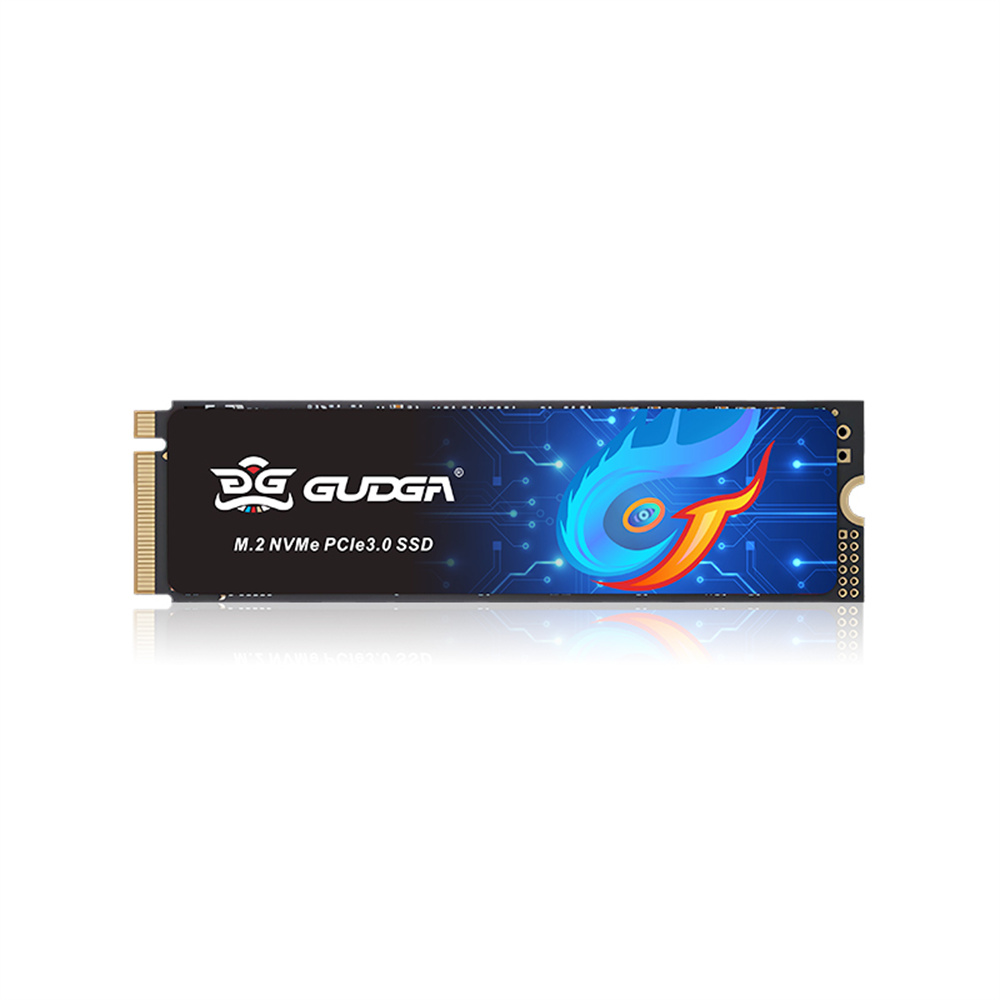
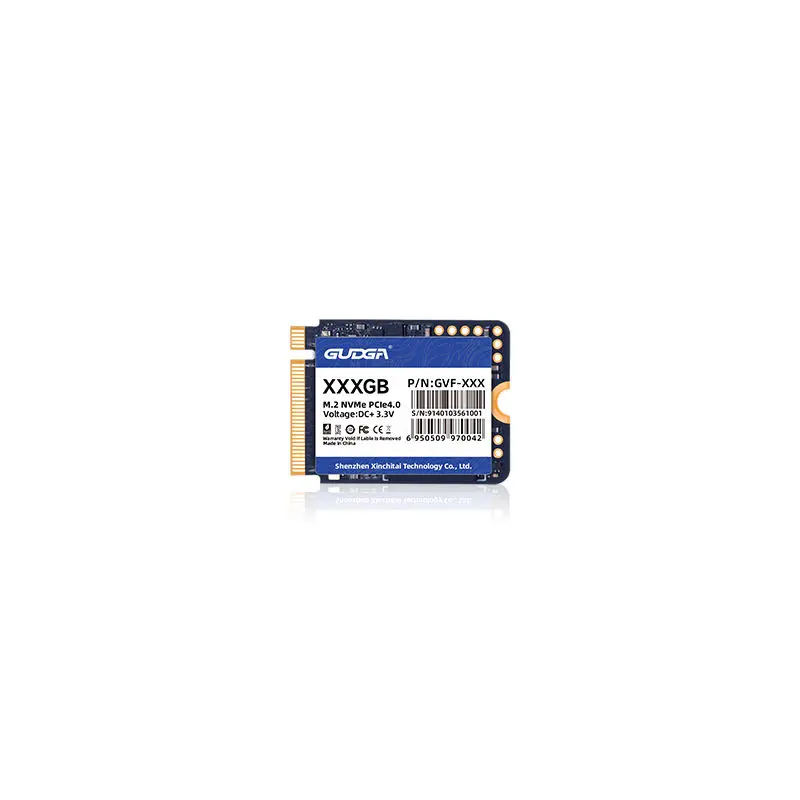
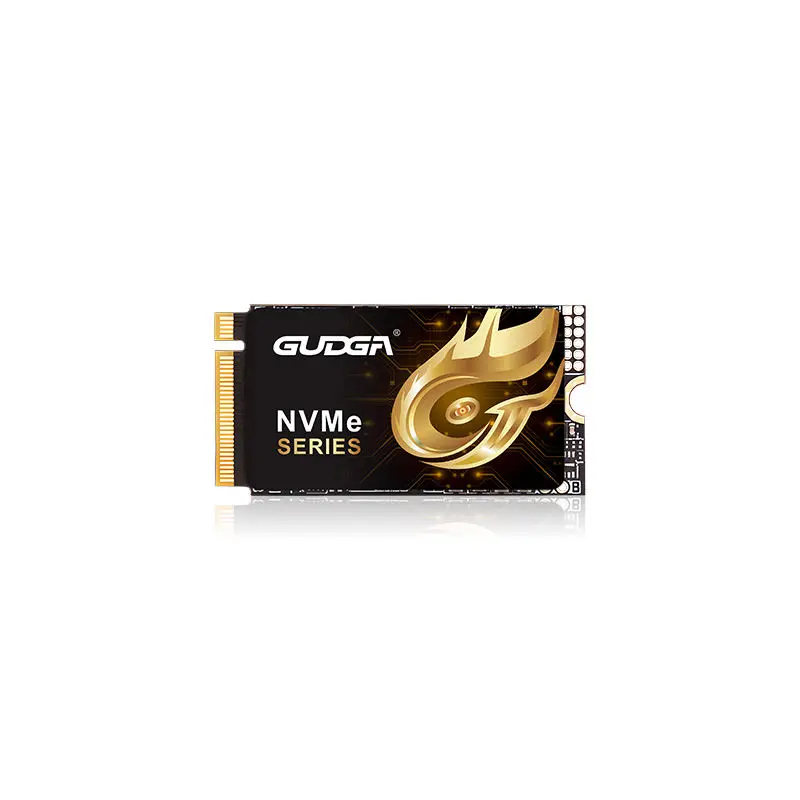
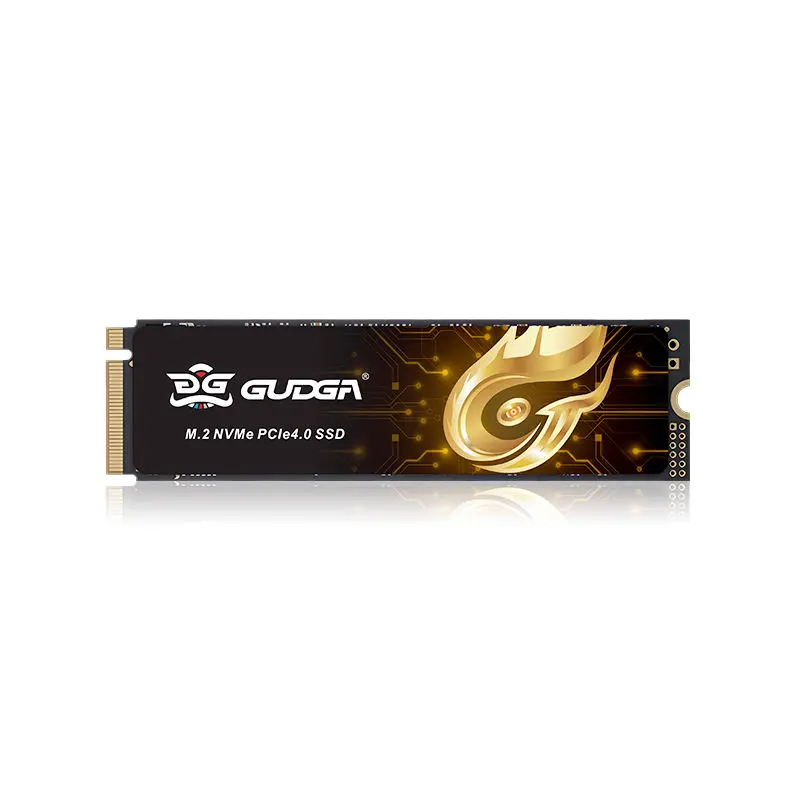
ఇది ప్రస్తుతం NVMe SSD యొక్క అత్యంత సాధారణ మరియు విస్తృతంగా ఉపయోగించే రకం. ఇది కాంపాక్ట్ M.2 ఫారమ్ ఫ్యాక్టర్ని ఉపయోగిస్తుంది, అదనపు డేటా లేదా పవర్ కేబుల్స్ అవసరం లేదు; ఇది నేరుగా మదర్బోర్డు యొక్క M.2 స్లాట్లోకి చొప్పించబడుతుంది, అంతర్గత స్థలాన్ని బాగా ఆదా చేస్తుంది. పరిమాణంపై ఆధారపడి, దీనిని నాలుగు స్పెసిఫికేషన్లుగా విభజించవచ్చు: 2230, 2242, 2260 మరియు 2280. 2280 స్పెసిఫికేషన్ అత్యంత ప్రధాన స్రవంతి, చాలా డెస్క్టాప్లు మరియు ల్యాప్టాప్లకు అనుకూలంగా ఉంటుంది, అయితే 2230 స్పెసిఫికేషన్ తరచుగా హ్యాండ్హెల్డ్ గేమింగ్ పరికరాలు మరియు ఇతర చిన్న PCలలో ఉపయోగించబడుతుంది.
మా కంపెనీ యొక్క M.2 NVMe SSDలు వాటి "కాంపాక్ట్ పరిమాణం, అధిక సామర్థ్యం మరియు బలమైన అనుకూలత" ద్వారా వర్గీకరించబడతాయి. అన్ని మోడల్లు 2280 స్టాండర్డ్ ఫారమ్ ఫ్యాక్టర్ను ఉపయోగిస్తాయి (ఇతర పరిమాణాలను అనుకూలీకరించవచ్చు), డ్యూయల్-ఛానల్ PCIe 3.0 x4 మరియు PCIe 4.0 x4 ట్రాన్స్మిషన్కు మద్దతు ఇస్తుంది. అవి మార్కెట్లోని 99% ప్రధాన స్రవంతి మదర్బోర్డులు మరియు ల్యాప్టాప్లకు అనుకూలంగా ఉంటాయి, పాత కంప్యూటర్లను అప్గ్రేడ్ చేయడం మరియు కొత్త వాటిని నిర్మించడం రెండింటికి సులభంగా అనుగుణంగా ఉంటాయి. ఇంకా, ఉత్పత్తులు అల్ట్రా-సన్నని డిజైన్ను కలిగి ఉంటాయి, కేవలం 3.5 మిమీ మందం మరియు థర్మల్ ప్యాడ్లతో, ఆపరేటింగ్ ఉష్ణోగ్రతను సమర్థవంతంగా తగ్గిస్తాయి, వేడెక్కడం వల్ల పనితీరు థ్రోట్లింగ్ను నివారిస్తుంది మరియు సన్నని మరియు తేలికపాటి ల్యాప్టాప్లు మరియు మినీ PCలలో తగినంత వేడి వెదజల్లడం వల్ల కలిగే నొప్పిని నివారిస్తుంది.
మీ కంప్యూటర్ కోసం సరైన M.2 NVMe SSDని ఎలా ఎంచుకోవాలి?
1. ముందుగా అనుకూలత: ముందుగా, మీ మదర్బోర్డ్/ల్యాప్టాప్ సపోర్ట్ చేసే పొడవును నిర్ధారించడానికి పరికర మాన్యువల్ని తనిఖీ చేయండి (ఉదా., 2280 మాత్రమే లేదా 2260/2280కి అనుకూలమైనది) ఇన్స్టాల్ చేయలేని తప్పును కొనుగోలు చేయకుండా ఉండండి.
2. సామర్థ్యం మరియు పనితీరు మధ్య సమతుల్యత: రోజువారీ కార్యాలయ పని కోసం 2230/2242 (512GB–1TB) ఎంచుకోండి; గేమింగ్/సృజనాత్మక పని కోసం 2280 (1TB–4TB) ఎంచుకోండి.
3. వేడి వెదజల్లడం వివిధ దృశ్యాలకు సరిపోతుంది: 2230/2242 తక్కువ లోడ్లకు అనుకూలంగా ఉంటుంది; హీట్సింక్తో కూడిన 2280 అధిక లోడ్లకు అనుకూలంగా ఉంటుంది.
4. వివిధ స్థల అవసరాలకు మందం సరిపోతుంది: సన్నని మరియు తేలికపాటి ల్యాప్టాప్ల కోసం ఒకే-వైపు (2.4–3.5 మిమీ) ఎంచుకోండి; డెస్క్టాప్లు స్థల పరిమితులను నివారించడానికి డబుల్-సైడెడ్/హీట్సింక్ మోడల్లను (4–8 మిమీ) ఇన్స్టాల్ చేయగలవు.
II. ప్రోటోకాల్ వెర్షన్: పునరావృత నవీకరణలు, నిరంతర పనితీరు పురోగతి
NVMe ప్రోటోకాల్ బహుళ పునరావృతాలకు గురైంది, బదిలీ వేగం మరియు సంస్కరణల మధ్య లక్షణాలలో గణనీయమైన తేడాలు ఉన్నాయి. విభిన్న NVMe ప్రోటోకాల్ సంస్కరణల మధ్య తేడా ఏమిటి? అధిక సంస్కరణ ఎల్లప్పుడూ మంచిదేనా? వాస్తవానికి, మీ వినియోగ అవసరాలు మరియు పరికర అనుకూలతతో సరిపోలడం కీలకం. వివిధ పనితీరు అవసరాలను తీర్చడానికి మా ఉత్పత్తులు ప్రధాన స్రవంతి సంస్కరణలను కవర్ చేస్తాయి.1. NVMe 1.3(PCIE Gen3.0)) వెర్షన్ (ఖర్చు-సమర్థవంతమైనది, పాత పరికరాలతో అనుకూలమైనది) మునుపటి ప్రధాన స్రవంతి వెర్షన్గా, ఇది PCIe 3.0 ఇంటర్ఫేస్ను ఉపయోగిస్తుంది, 32Gbps సైద్ధాంతిక బ్యాండ్విడ్త్తో, సీక్వెన్షియల్ రీడ్/రైట్, 4K/50 వరకు చదవడం/వ్రాయడం వేగం 4K 500K కంటే ఎక్కువ IOPS, రోజువారీ కార్యాలయం, సాధారణ గేమింగ్ మరియు మల్టీమీడియాకు అనుకూలం. ఇది పాత పరికరాలతో బలమైన అనుకూలతను మరియు సరసమైన ధరను కలిగి ఉంటుంది.
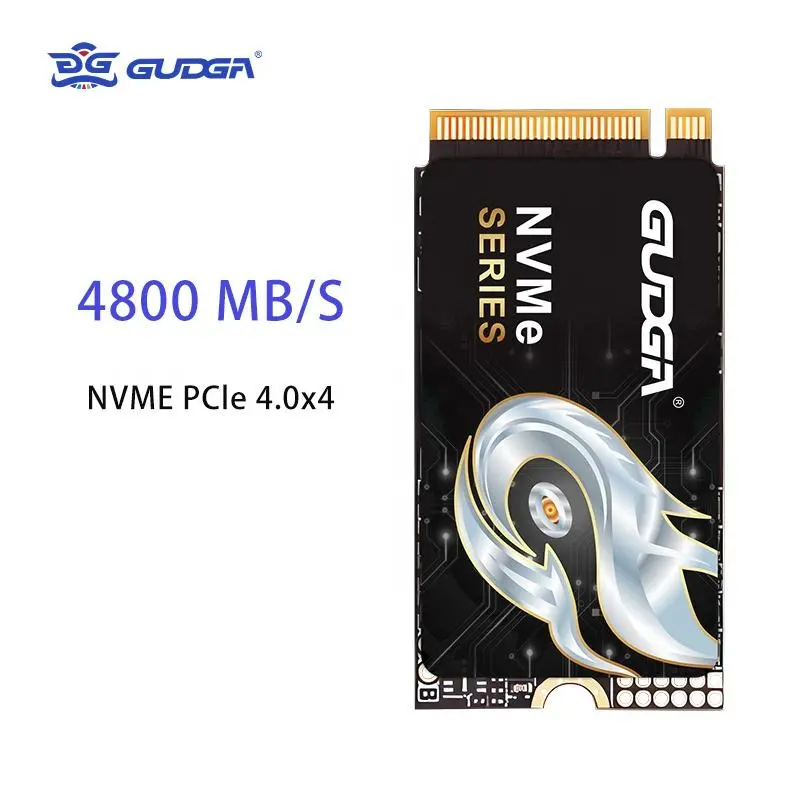
మా SSD PCIE Gen3.0X4 2280 M.2 Nvme SSD ఉత్పత్తులు ఒరిజినల్ ఫ్లాష్ చిప్లు మరియు స్థిరమైన కంట్రోలర్లను స్వీకరించడం, ఖర్చు-ప్రభావంపై దృష్టి సారిస్తాయి. MTBFతో 1.5 మిలియన్ గంటల వరకు, వారు TRIM మరియు S.M.A.R.Tకి మద్దతు ఇస్తారు. పర్యవేక్షణ. అదే ధర పరిధిలోని పీర్ ఉత్పత్తులతో పోలిస్తే, అవి మెరుగైన చిప్ నాణ్యత మరియు స్థిరత్వాన్ని కలిగి ఉంటాయి, స్థిరత్వానికి ప్రాధాన్యతనిచ్చే బడ్జెట్-చేతన వినియోగదారులకు అనువైనవి.2. NVMe 1.4 (PCIE Gen4.0)వెర్షన్ (మెయిన్ స్ట్రీమ్, బ్యాలెన్సింగ్ పనితీరు మరియు అనుకూలత)ప్రస్తుతం ప్రధాన స్రవంతి వెర్షన్, ఇది PCIe 3.0/4.0 ఇంటర్ఫేస్లకు అనుకూలంగా ఉంది. NVMe 1.3 ఆధారంగా, ఇది ప్రసార సామర్థ్యాన్ని ఆప్టిమైజ్ చేస్తుంది, జాప్యాన్ని తగ్గిస్తుంది మరియు చిన్న ఫైల్ బదిలీ మరియు మల్టీ టాస్కింగ్లో పనితీరును మెరుగుపరచడానికి HMB ఫంక్షన్ను జోడిస్తుంది. సీక్వెన్షియల్ రీడ్/రైట్ వేగం 7000MB/sని మించిపోయింది, 4K రాండమ్ రీడ్/రైట్ 800K IOPS, చాలా కొత్త కంప్యూటర్లు మరియు ప్రొఫెషనల్ ఎక్విప్మెంట్లకు అనుకూలంగా ఉంటుంది.
మా అత్యధికంగా అమ్ముడవుతున్న NVMe 1.4 సిరీస్ PCIe 4.0 x4 ఇంటర్ఫేస్ మరియు స్వీయ-అభివృద్ధి చెందిన ఫర్మ్వేర్ను ఉపయోగిస్తుంది, శక్తి-పొదుపు మరియు అధిక-పనితీరు మోడ్ల మధ్య స్వయంచాలకంగా మారుతుంది. ఇది LDPC ఎర్రర్ దిద్దుబాటుకు మద్దతు ఇస్తుంది మరియు 300TBW (1TB సామర్థ్యం) వరకు జీవితకాలంతో ఒరిజినల్ NAND ఫ్లాష్తో అమర్చబడి ఉంటుంది. ఇది ఐదేళ్ల వారంటీ మరియు ఫాస్ట్ ఆఫ్టర్ సేల్స్ సర్వీస్తో కూడా వస్తుంది, ఇది సాధారణ మరియు వృత్తిపరమైన అవసరాలను తీరుస్తుంది.3. NVMe 2.0 (PCIE Gen5.0)వెర్షన్ (హై-ఎండ్, అల్టిమేట్ పెర్ఫార్మెన్స్) PCIe 5.0 ఇంటర్ఫేస్తో జతచేయబడిన తాజా వెర్షన్, ఇది 64Gbps సైద్ధాంతిక బ్యాండ్విడ్త్ను కలిగి ఉంది, సీక్వెన్షియల్ రీడ్/రైట్ స్పీడ్ 4K/w/120 MB వరకు చదవబడుతుంది. 1500K IOPS (NVMe 1.4 కంటే రెట్టింపు). ఇది హై-ఎండ్ గేమింగ్, ప్రొఫెషనల్ వీడియో ఎడిటింగ్, AI మరియు బిగ్ డేటా ప్రాసెసింగ్కు అనువైన డేటా భద్రత మరియు నిల్వ సామర్థ్యాన్ని మెరుగుపరచడానికి ZNS మరియు KATA ఫీచర్లను జోడిస్తుంది.
మా NVMe 2.0 ఉత్పత్తులు సరికొత్త PCIe 5.0 కంట్రోలర్ మరియు హై-ఎండ్ 3D NAND ఫ్లాష్ను స్వయం-అభివృద్ధి చేసిన హీట్ డిస్సిపేషన్ మరియు పెర్ఫామెన్స్ ఆప్టిమైజేషన్ టెక్నాలజీలను ఉపయోగిస్తాయి. హార్డ్వేర్ ఎన్క్రిప్షన్, పవర్ లాస్ ప్రొటెక్షన్ మరియు పార్టిషన్ మేనేజ్మెంట్కు మద్దతు ఇస్తూ, వారు మరింత పోటీ ధరతో స్థిరత్వం మరియు ఫీచర్ రిచ్నెస్లో పీర్ హై-ఎండ్ ఉత్పత్తులను అధిగమిస్తారు.
III. అనువర్తన దృశ్యాల ద్వారా వర్గీకరణ: అవసరాల యొక్క ఖచ్చితమైన సరిపోలిక, అంకితమైన పొజిషనింగ్
NVMe SSDల పనితీరు, సామర్థ్యం మరియు స్థిరత్వానికి వేర్వేరు అప్లికేషన్ దృశ్యాలు వేర్వేరు అవసరాలను కలిగి ఉంటాయి. వాటి విలువను పెంచడానికి ఖచ్చితమైన సరిపోలిక అవసరం. విభిన్న దృశ్యాల కోసం సరైన NVMe SSDని ఎలా ఎంచుకోవాలి? అధిక-నాణ్యత, తక్కువ ఖర్చుతో కూడిన ఉత్పత్తులను అందించడానికి మా R&D మరియు సరఫరా గొలుసు ప్రయోజనాలను ప్రభావితం చేస్తూ మా కంపెనీ విభిన్న దృశ్యాల కోసం అంకితమైన ఉత్పత్తులను రూపొందిస్తుంది.
1. కన్స్యూమర్-గ్రేడ్ NVMe SSD (డైలీ ఆఫీస్ & గేమింగ్ కోసం మొదటి ఎంపిక)
రోజువారీ కార్యాలయ పని, గేమింగ్, వీడియో ఎడిటింగ్ మరియు ఇతర దృశ్యాలకు అనుకూలమైన వ్యక్తిగత వినియోగదారులను లక్ష్యంగా చేసుకోవడం. ప్రధాన అవసరాలు అధిక ఖర్చు-ప్రభావం, బలమైన అనుకూలత మరియు మితమైన పనితీరు. మా ఉత్పత్తులు M.2 ఇంటర్ఫేస్ NVMe 1.4/2.0 వెర్షన్లు, 512GB నుండి 4TB వరకు సామర్థ్యాలు, TLC NAND ఫ్లాష్ మెమరీ + స్వీయ-అభివృద్ధి చెందిన ఫర్మ్వేర్ని ఉపయోగించి, 3500~7400MB/s సీక్వెన్షియల్ రీడ్/రైట్ స్పీడ్లతో, 4K రాండమ్ రీడ్/రైట్ స్పీడ్ 1000కి S, 1000 KOP మద్దతు అమ్మకాల తర్వాత వేగవంతమైన ప్రతిస్పందనతో ఐదు సంవత్సరాల దేశవ్యాప్తంగా వారంటీ.
2. ఇండస్ట్రియల్-గ్రేడ్ NVMe SSDలు (పారిశ్రామిక నియంత్రణ & విపరీతమైన వాతావరణాలకు ప్రాధాన్యత ఇవ్వబడ్డాయి)
పారిశ్రామిక వినియోగదారులను లక్ష్యంగా చేసుకుని, ఈ SSDలు పారిశ్రామిక నియంత్రణ, ఆటోమోటివ్ మరియు సైనిక అనువర్తనాలకు అనుకూలంగా ఉంటాయి. ప్రధాన అవసరాలు జోక్యం నిరోధకత, కంపన నిరోధకత, విస్తృత ఉష్ణోగ్రత పరిధి మరియు అధిక స్థిరత్వం. మా ఉత్పత్తులు ఇండస్ట్రియల్-గ్రేడ్ SLC/MLC NAND ఫ్లాష్ మెమరీ మరియు కంట్రోలర్లను ఉపయోగించుకుంటాయి, తీవ్రమైన వాతావరణంలో -40℃ నుండి 85℃ వరకు స్థిరమైన ఆపరేషన్ను ప్రారంభిస్తాయి. అవి 5V నుండి 12V వరకు విస్తృత వోల్టేజ్ శ్రేణికి మద్దతు ఇస్తాయి మరియు అనుకూలీకరించిన ఇంటర్ఫేస్లు మరియు సామర్థ్యాలను అనుమతిస్తాయి. ఇండస్ట్రియల్-గ్రేడ్ విశ్వసనీయత పరీక్షలో ఉత్తీర్ణత సాధించి, వారు 3 మిలియన్ గంటల MTBFని కలిగి ఉన్నారు, ఇది దీర్ఘకాలిక స్థిరమైన ఆపరేషన్ను నిర్ధారిస్తుంది.
IV. కంపెనీ ప్రయోజనాలు మరియు ప్రధాన ఉత్పత్తి లక్షణాలు
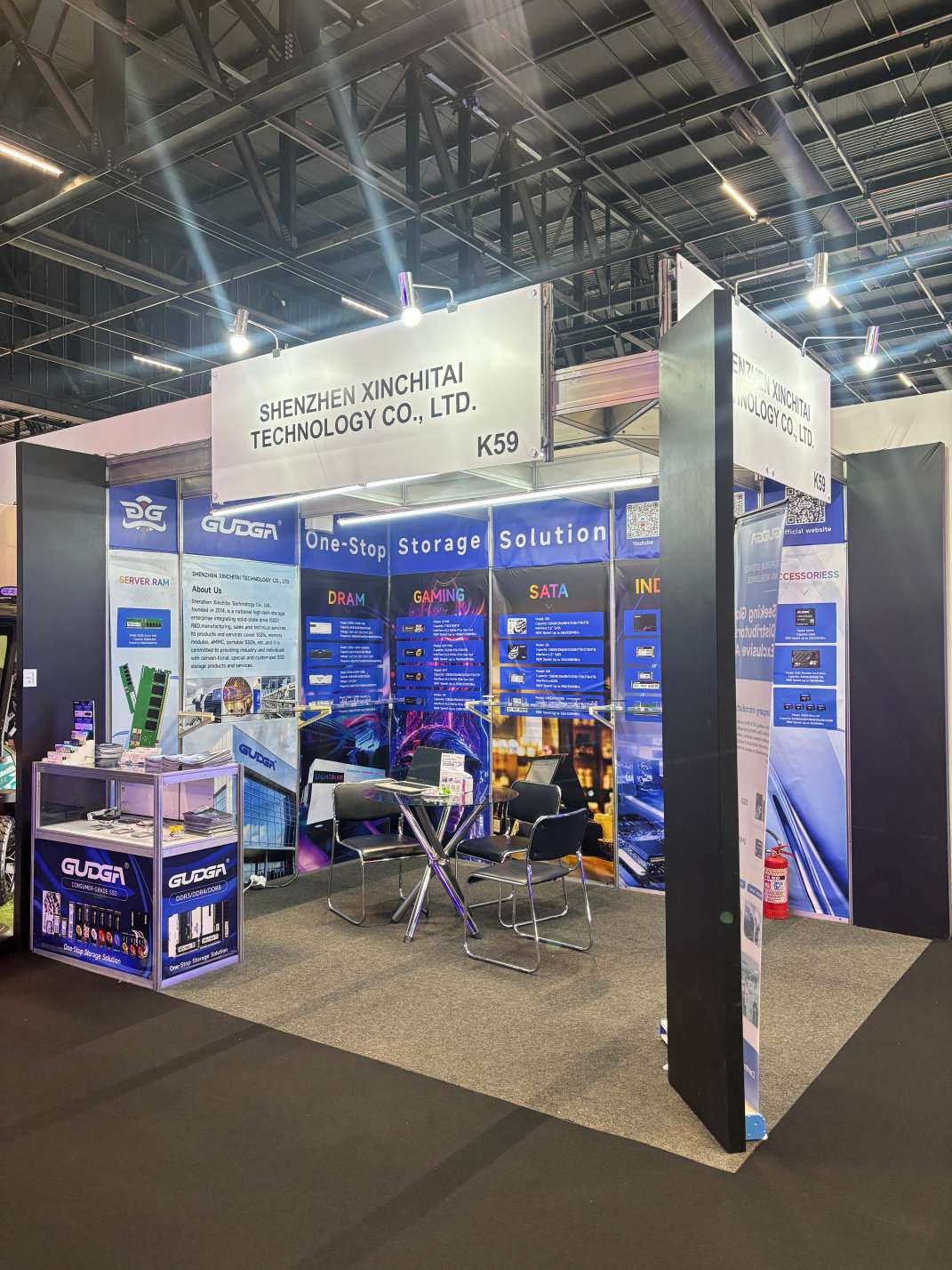
అధిక-నాణ్యత NVMe SSDని ఎంచుకోవడానికి వర్గీకరణ పారామితులు మరియు విశ్వసనీయ బ్రాండ్పై శ్రద్ధ అవసరం.GUDGAనిల్వ రంగంలో లోతైన నైపుణ్యాన్ని కలిగి ఉంది, నాలుగు ప్రధాన ప్రయోజనాలను పొందడం: R&D, నాణ్యత నియంత్రణ, ఉత్పత్తి అభివృద్ధి మరియు అమ్మకాల తర్వాత సేవ, బలమైన ఖ్యాతిని పొందడం. ప్రత్యేకంగా:
1. R&D ప్రయోజనాలు: మా వృత్తిపరమైన R&D బృందం NVMe 2.0/PCIe 5.0 ఉత్పత్తులకు మార్గదర్శకత్వం వహిస్తూ సాంకేతిక పురోగతుల గురించి తెలుసుకుంటుంది. మేము మా స్వంత ఫర్మ్వేర్ మరియు హీట్ డిస్సిపేషన్ టెక్నాలజీని అభివృద్ధి చేసాము మరియు సామ్సంగ్ మరియు మైక్రాన్ వంటి ప్రఖ్యాత NAND ఫ్లాష్ మెమరీ తయారీదారులతో సన్నిహితంగా సహకరిస్తాము, మూలం నుండి నాణ్యత నియంత్రణను నిర్ధారిస్తాము.
2. నాణ్యత నియంత్రణ ప్రయోజనాలు: మొత్తం ప్రక్రియ అంతటా కఠినమైన నాణ్యత నియంత్రణ. ఉత్పత్తులు అధిక మరియు తక్కువ ఉష్ణోగ్రత మరియు వైబ్రేషన్ పరీక్షలతో సహా బహుళ పరీక్షలకు లోనవుతాయి, ఫలితంగా MTBF పరిశ్రమ సగటు కంటే చాలా ఎక్కువగా ఉంటుంది, ఇది మానసిక ప్రశాంతతకు భరోసా ఇస్తుంది.
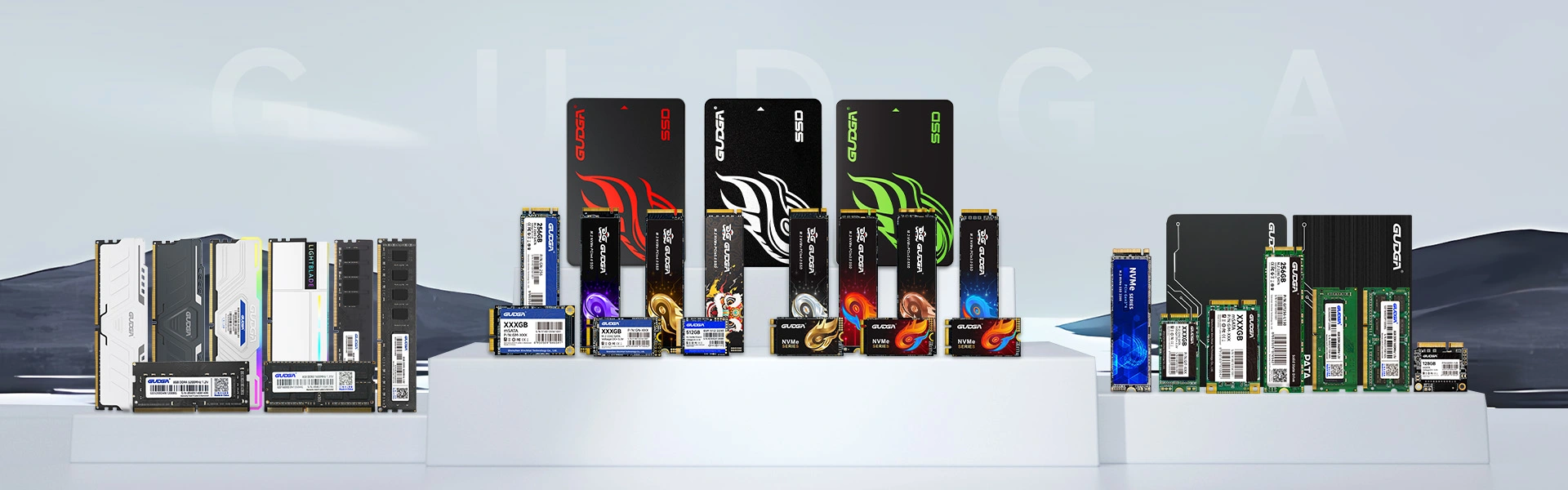
3. ఉత్పత్తి ప్రయోజనాలు: అన్ని ఇంటర్ఫేస్లు, ప్రోటోకాల్లు మరియు NAND ఫ్లాష్ రకాలను కవర్ చేయడం, వివిధ దృశ్యాలకు అనుగుణంగా, అధిక పనితీరు, అధిక స్థిరత్వం మరియు అధిక వ్యయ-ప్రభావాన్ని కలపడం, అనుకూలీకరించిన పరిష్కారాలకు మద్దతు ఇవ్వడం.
4. అమ్మకాల తర్వాత ప్రయోజనాలు: దేశవ్యాప్తంగా అమ్మకాల తర్వాత సేవా నెట్వర్క్ కవరేజ్, ఐదేళ్ల వారంటీ, ఉచిత పరీక్ష మరియు వేగవంతమైన మరమ్మతులను అందిస్తుంది. ఒక ప్రొఫెషనల్ బృందం మీ అవసరాలకు వెంటనే స్పందిస్తుంది.